
The Intriguing Game of Sic Bo: An Ancient Chinese Tradition
Sic Bo, a game that may be lesser-known to many but holds a significant place in traditional Chinese gambling culture, offers a thrilling experience full of betting opportunities and strategic decision-making. Its name, meaning "dice pair" or "precious dice," gives us a hint about the game’s integral components — the dice. Much of what gives Sic Bo its unique appeal hinges on the simplicity and randomness that these dice provide. Among the essential details that enthusiasts may notice is the specific mention of dice size, such as the 44mm dice, which is notable for both tradition and playability.
Basics of Sic Bo
Sic Bo is a dice game played with three dice. The primary objective is to predict the outcome of the roll. Though it’s a game of luck, understanding the betting options can elevate a player's experience. The history of Sic Bo dates back centuries and its journey from China to the casinos of the world is one of adaptation and integration. Its popularity, especially in Asian countries, has grown, leading to its adoption in many international casinos.
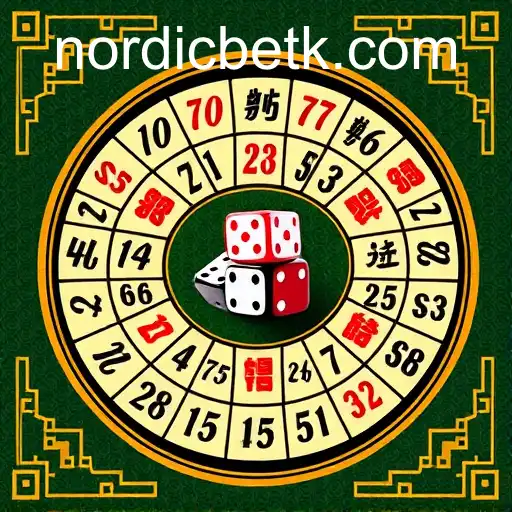
Upon entering the realm of Sic Bo, players are presented with a table that features a variety of betting options. Each section of the table represents different betting outcomes based on the total roll of the three dice. What makes Sic Bo fascinating is the range of choices available to players, each with its own odds and payouts.
Sic Bo Table and Betting Options
The Sic Bo table, often intricately designed, is a complex matrix of betting possibilities. Players can make small bets, big bets, specific triples, doubles, and other combinations. Each choice corresponds to different payout levels and house edges, adding layers of strategy to the game. Players can opt for a riskier bet with higher payouts, such as a specific triple.
The big and small bets are among the most straightforward and popular options, akin to betting on black or red in roulette. A small bet predicts that the total sum of the dice will be between 4 and 10, whereas a big bet forecasts a total between 11 and 17. The result of three identical numbers is excluded from these options.
The Significance of the 44mm Dice
Sic Bo typically utilizes three dice, and while it might seem trivial to mention the size of the dice, using 44mm dice in Sic Bo does serve a purpose. The 44mm size ensures visual clarity for players across the casino table, contributing to a fair and observable game. This attention to detail not only enhances the gameplay experience but also maintains the integrity of the game. In many traditional and high-stakes settings, precision in dice size and weight plays a crucial role in maintaining trust in the randomness and fairness of the game.
Strategic Approaches to Sic Bo
Although a game of chance, Sic Bo opens the floor to strategic play based on probability assessments and personal risk tolerance. A prudent player might consider the house edge associated with different bets. For example, while placing a bet on a specific triple might yield a high payout, the chances of winning are slimmer compared to safer bets like Big or Small wagers.
Some experienced players adopt a balanced betting strategy to diversify their risks. This approach may include combining low-risk bets with the occasional high-risk, high-reward wager. Understanding these dynamics allows players to maximize their enjoyment and potential wins, emphasizing the importance of making informed betting decisions.
Conclusion
While Sic Bo may first attract players due to its historical significance and distinct betting table, it stands out through its unique blend of luck and strategy. Whether using traditional 44mm dice for larger casino tables or other sizes for more intimate settings, the craftsmanship and detail put into the game's design only enhance its charm. As learning the intricacies and honing a personal play style can offer players deeper satisfaction and success, Sic Bo continues to flourish as a staple in both modern gaming establishments and its ancestral roots in Chinese culture.